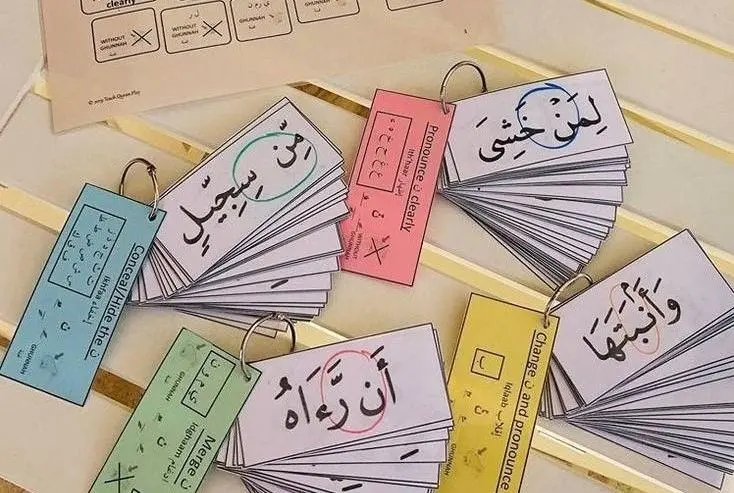
 Tajweed
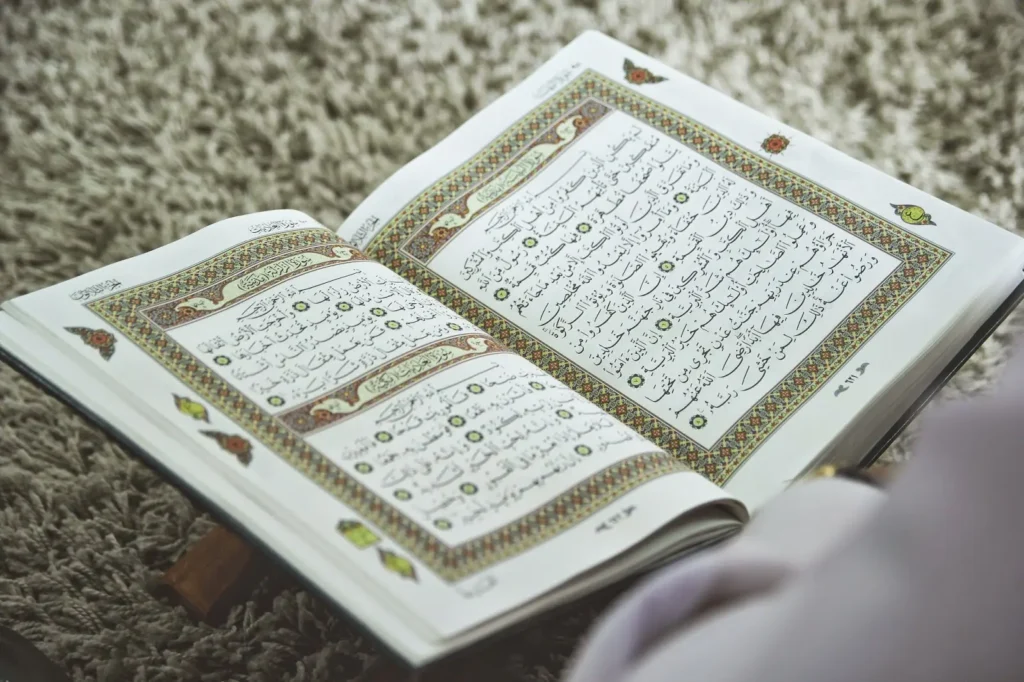
Many students spend years memorizing the Quran and refining their Tajweed, yet never pursue the one credential that formally connects their recitation back to the Prophet Muhammad ﷺ. Ijazah is that credential: a license granted by a qualified teacher that authorizes a student to recite and teach the Quran through a verified chain of transmission. Understanding what is Ijazah and its importance matters for any serious student of Quranic recitation, because it determines whether your learning is simply personal practice or part of a documented scholarly lineage.
This article explains what Ijazah is, how it connects to Tajweed and the science of Qiraat, the conditions required to earn it, and the practical path to obtaining one — including online.
What Is an Ijazah?
Ijazah is an Arabic word meaning “authorization” or “license.” In Quranic studies, it is the formal certificate a qualified teacher (the Mujiz) grants to a student (the Mujaz) after verifying that the student can recite the Quran — or a specified portion of it — accurately, with correct Tajweed, and without error.
An Ijazah is not a participation certificate. It is a professional license to teach. Once granted, the holder is authorized to pass the same recitation on to others, extending the same chain that was passed to them.
Why the Sanad Matters Ijazah (the chain of narrators)?
The Ijazah certifies the student; the Sanad is the documented chain of teachers behind that certification, traced back through generations of scholars to the Prophet Muhammad ﷺ himself. Every link in that chain is a named individual who was, in turn, certified by their own teacher.
This is what distinguishes Ijazah from any other form of Quran instruction: the recitation isn’t just correct, it is traceable. A student who interrupts their teacher mid-recitation to ask “why this Madd length here?” is engaging with a 1,400-year unbroken line of oral transmission, not a modern interpretation.
This emphasis on direct transmission from qualified individuals has scriptural backing. Bukhari and Muslim narrated from ʿAbdullāh ibn ʿAmr (رضي الله عنهما) that the Prophet ﷺ said:
«خُذُوا الْقُرْآنَ مِنْ أَرْبَعَةٍ: مِنِ ابْنِ مَسْعُودٍ، وَسَالِمٍ مَوْلَى أَبِي حُذَيْفَةَ، وَأُبَيِّ بْنِ كَعْبٍ، وَمُعَاذِ بْنِ جَبَلٍ»
“Take the Quran from four: Ibn Mas’ud, Salim the freed slave of Abu Hudhaifa, Ubayy ibn Ka’b, and Mu’adh ibn Jabal.” (Sahih al-Bukhari 4999)
The Prophet ﷺ named specific, verified individuals rather than saying “learn from anyone who has read the Quran.” That principle — learn from a verified source, not an arbitrary one — is the foundation the entire Ijazah system is built on.
What Is Ijazah in Tajweed?
This section answers: what does it mean specifically when people refer to “Ijazah in Tajweed”?
Ijazah in Tajweed is a certification focused specifically on the correct application of Tajweed rules — the science governing letter pronunciation, articulation points (Makharij), and elongation rules (Madd) — rather than full Quran memorization. A student can hold an Ijazah in Tajweed without having completed Hifz (full memorization), as the certification tests rule application across selected Surahs rather than the entire Quran from memory.
This makes Ijazah in Tajweed a realistic and common starting point. Many students pursue it before — or instead of — full Hifz certification, since mastering Tajweed rules across real Quranic text is itself a multi-year undertaking. Buruj Academy’s ten Qira’at program builds directly on this Tajweed foundation, since accurate articulation is the prerequisite for studying how recitation styles vary across readings.
Types of Ijazah in the Tajweed and Quran
A bridge point worth noting before breaking these down: not every Ijazah covers the same scope, and confusing the types is a common mistake among students shopping for a program. The type you pursue should match your actual goal — teaching, personal mastery, or scholarly specialization.
Ijazah in Recitation with Tajweed
This is granted when a student demonstrates flawless recitation with full Tajweed application in front of an authorized teacher, covering correct Makharij, Sifaat (letter characteristics), and Madd rules. It can be earned for a single Surah, a portion of the Quran, or the complete text.
Ijazah in Hifz (Memorization)
This certifies that a student has memorized the entire Quran and can recite it from memory without error, in addition to applying correct Tajweed throughout. This is the most demanding Ijazah type, typically requiring years of consistent review alongside initial memorization.
Ijazah in the Qira’at (Recitation Styles)
This is where Ijazah becomes a specialization. There are several recognized tiers:
- Single narration — most commonly Hafs ‘an Asim, the most widely recited narration globally.
- Three Qira’at — via the method of Durrat al-Madiyyah.
- Seven Qira’at — via the method of Ash-Shatibiyyah.
- Ten Qira’at — via the methods of Tayyibat al-Nashr (major) and Durrat al-Madiyyah (minor).
A common misconception is that “Ijazah” means one fixed credential. In practice it is closer to a tiered system — a student typically earns Ijazah in a single narration first, then advances toward the seven or ten Qira’at if they pursue specialization. Buruj Academy’s Ijazah program structures training along exactly this progression, starting students in Hafs ‘an Asim before advancing toward multi-Qira’at study for those who continue.
Experience a Live Quran Class
Watch a short sample from one of our online Quran classes and discover our engaging teaching style, interactive lessons, and personalized learning approach.
Start Learning Quran with Expert Tutors in the UAE
Accredited online Quran and Arabic classes tailored for adults and children. Schedule your session today.
Book Your Free TrialConditions Required to Obtain an Ijazah
This section answers: what does a student actually need to demonstrate before a teacher will grant Ijazah?
A teacher does not grant Ijazah based on enthusiasm or attendance. The conditions are specific and consistently applied across the tradition:
- Character and integrity — the student must not be openly engaged in major sins, since the Ijazah carries the responsibility of preserving and teaching the Quran.
- Knowledge of the narration being taught — the student must understand the specific Qira’ah and narration (e.g., Hafs ‘an Asim) they are being certified in.
- Command of stopping and starting rules (Waqf and Ibtida) — knowing where recitation can pause without distorting meaning.
- Complete and accurate memorization of the relevant text, with no additions or omissions, where Hifz Ijazah is sought.
- Full application of Tajweed, including precise articulation points and command of recitation rules, with understanding of meaning where relevant.
- Flawless recitation from Al-Fatiha to An-Nas (for full Quran Ijazah) without Tajweed or language errors.
- Mastery of Al-Jazariyyah, Imam Ibn al-Jazari’s foundational Tajweed poem covering most core rules, including its explanation.
- Direct training under the certifying teacher (Mujiz), who personally verifies the student’s recitation before granting the license.
A practitioner-level detail many students miss: Tajweed rule knowledge and Tajweed rule application under pressure are not the same skill. A student can explain Madd Lazim perfectly in conversation and still default to a shorter elongation mid-recitation when reciting an unfamiliar passage continuously for 30+ minutes. Teachers test for this by extending recitation length deliberately during assessment — not just accuracy on short, prepared passages.
Read also: What We Learn From the Quran? 10 Life-Changing Lessons
Can Women Receive an Ijazah?
Yes — Ijazah is granted to men and women equally, provided both meet the same conditions. The Mothers of the Believers took knowledge directly from the Prophet ﷺ and transmitted it onward, and classical scholarship records extensive chains of transmission through women among the Companions and the generations that followed. There is no distinction in the requirements or validity of the certification based on gender.
Can You Get an Ijazah Online?
Yes — an online Ijazah is valid, provided the certifying teacher personally verifies the student’s recitation according to the same standards used in in-person training. The validity of an Ijazah rests on direct verification by a qualified Mujiz, not on physical proximity. Video instruction allows a teacher to hear articulation, correct errors in real time, and assess recitation exactly as they would in person.
This is a meaningful shift from even a decade ago, when Ijazah pursuit typically required relocating near a recognized scholar or institution like Al-Azhar. Students today can study with a certified teacher anywhere in the world, record sessions for repeated review, and schedule training around work or family commitments rather than rearranging their life around a physical classroom.
If you’re weighing whether remote study can genuinely meet Ijazah standards, the deciding factor isn’t the medium — it’s whether the instructor holds a verified Sanad and applies the same assessment rigor a traditional in-person Mujiz would.
How to Get Ijazah in Tajweed: Step by Step
- Build a Tajweed foundation. Master Makharij, Sifaat, and Madd rules before attempting certification-track recitation.
- Choose your Ijazah type. Decide between Ijazah in Tajweed (rule-focused), Ijazah in Tilawah (recitation from the Mushaf), or Ijazah in Hifz (full memorization) based on your current level and goal.
- Study under a qualified Mujiz. Direct, ongoing instruction is non-negotiable — Ijazah cannot be self-certified or earned from recorded lessons alone.
- Apply Tajweed across real Surahs, not isolated drills, until rule recognition becomes automatic during continuous recitation.
- Recite before your teacher for formal assessment. The Mujiz listens for errors across an extended passage, not just a prepared excerpt.
- Receive the Ijazah certificate, which documents your Sanad back through your teacher’s chain of transmission.
A common mistake at this stage: students assume one flawless recitation session is sufficient. Most teachers require demonstrated consistency across multiple sessions over weeks or months, since a single clean recitation can mask gaps that surface under sustained focus.
See How Our Online Classes Work
Get a glimpse of a real online session and explore how students learn Quran with experienced teachers in a supportive and interactive environment.
Start Your Ijazah Journey with UAE Quran Academy
Earning an Ijazah is a long-term commitment, and the teacher you study under shapes both the quality of your recitation and the integrity of your Sanad. UAE Quran Academy connects students with certified instructors who hold verified chains of transmission, structured around your current Tajweed level rather than a one-size-fits-all curriculum. Whether you’re starting Tajweed fundamentals or advancing toward Ijazah in the ten Qira’at, training is built around your pace and schedule.
[image: marketing visual — student reciting Quran in an online session with certified teacher]
Begin your Ijazah training today
Book a free assessment with a certified teacher and find out exactly where you stand on the path to certification.
[Book Your Free Trial Class Today]
Our Tajweed Courses
- Tajweed Course
- Learn Quran Online with Tajweed
- Tajweed for Kids Course
- Tajweed for Adults Course
- Tajweed for Ladies / Sisters Course
- Tajweed for Beginners Course
- Advanced Tajweed Course
Enroll today and take the first step toward beautiful, accurate Quran recitation with expert guidance.
Start Learning Quran with Expert Tutors in the UAE
Accredited online Quran and Arabic classes tailored for adults and children. Schedule your session today.
Book Your Free Trial
Conclusion
Ijazah is more than a certificate — it is formal verification that your Quranic recitation has been checked, corrected, and approved by a qualified teacher whose own training traces back through an unbroken chain to the Prophet Muhammad ﷺ. Understanding what is Ijazah and its importance clarifies why so many serious students pursue it: it transforms personal practice into a documented, teachable credential.
Whether your goal is Ijazah in Tajweed, a specific Qira’ah, or full Hifz certification, the requirements stay consistent — direct study under a verified Mujiz, full Tajweed mastery, and flawless recitation under assessment. Online study has made this realistically achievable for students anywhere, without lowering the standard the tradition demands.
Read also: How to Memorize the Quran Faster?
FAQs
What is the difference between Ijazah and Sanad?
Ijazah is the formal certificate authorizing a student to teach a specific recitation; Sanad is the documented chain of teachers behind that certificate, tracing back to the Prophet Muhammad ﷺ. The Ijazah is the credential — the Sanad is the proof of its lineage.
How long does it take to get an Ijazah in Tajweed?
It typically takes one to three years, depending on the student’s starting level and consistency of study. Ijazah in a single narration with Tajweed mastery is generally faster than Ijazah requiring full Hifz, which often takes several additional years.
Can I get Ijazah for just one Surah?
Yes — a Surah-specific Ijazah certifies mastery of selected chapters rather than the full Quran, making certification more accessible for students who want to start with shorter, high-frequency Surahs.
Is an Ijazah earned online recognized as valid?
Yes, provided the certifying teacher personally verifies the student’s recitation according to traditional standards. Validity depends on the Mujiz’s verification process, not on whether instruction happens in person or remotely.
Do I need to memorize the entire Quran to get an Ijazah?
No. Ijazah in Tilawah certifies flawless recitation from the Mushaf without requiring memorization, while Ijazah in Hifz specifically certifies full memorization. Students choose the track that matches their goal.


Leave a Reply